in this issue

Navigating Procurement And BPO Amid Unprecedented Challenges
By: Execs In The Know
KIA Online Community Member Spotlight: BETH PENDLETON, PMP
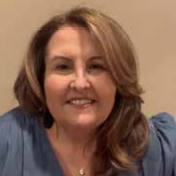
Beth Pendleton
PMP
A longtime Humana team member, Beth Pendleton has been focused on supporting procurement initiatives at the Louisville, KY-based health insurer since 2018.
Beth oversees a team of Outsourcing Category Managers operating within the business process outsourcing (BPO) and information technology (IT) spaces. Beth knows the value of relationships and uses this understanding to drive value across the enterprise.
In early March 2022, we had a chance to ask Beth about her area of expertise — procurement — and get an insider’s look at navigating a global pandemic, “The Great Resignation,” and some of the other challenges faced by CX leaders over the past couple of years.
Beth is the Associate Director of Procurement at Humana, deploying her vision of driving value through relationships across the wider organization. Beth has been with Humana since 2007.
EXECS IN THE KNOW (EITK): Beth, you have been specializing in the procurement space for at least the last ten years of your career. Can you talk about how and why you landed in procurement as your area of expertise?
BETH PENDLETON: I have always been energized by roles where I have the opportunity to make a difference. Prior to joining procurement, my role was centered on effective communication and process transformation. When the Procurement role came up, one of my senior leaders shared the role and thought it would be a great fit. He was certainly my saving grace, because that job description spoke to all the things I was passionate about: developing relationships, creating value, challenging the status quo, negotiating, leading others, and growing my knowledge of the intricacies of the enterprise. Every day, I learn something new in this role and every day, I appreciate the opportunity to be a part of the change.
EITK: You have been with Humana for more than 15 years. Many readers might be familiar with the name, but as a longtime insider, can you share a little bit about the culture of the company and its philosophy as it applies to customer experience (CX)?
BETH: Humana is committed to helping our millions of medical and specialty members achieve their best health. Our successful history in care delivery and health plan administration is helping us create a new kind of integrated care with the power to improve health and well-being and lower costs. Our efforts are leading to a better quality of life for people with Medicare, families, individuals, military service personnel, and communities at large.
To accomplish all this, we support physicians and other health care professionals as they work to deliver the right care in the right place for their patients, our members. Our range of clinical capabilities, resources, tools, and services (such as in-home care, behavioral health, pharmacy services, data analytics, and wellness solutions) combine to produce a simplified experience that makes health care easier to navigate and more effective.
EITK: The world has changed a lot in the past two years, particularly in how companies procure talent and work with outsourcers. While there have been challenges, there have also been plenty of big wins and learnings. Can you talk about some of your biggest wins and learnings from the past 24 months?
BETH: You are absolutely correct. The last two years have been a whirlwind of challenges. Our success actually began before the pandemic. The team spent most of 2019 building strong and robust relationships with our business partners and suppliers. When the pandemic hit, both our business partners and suppliers knew who to go to for support. Without a doubt, our biggest win was our swift responsiveness. When I think about how quickly my team responded, I am in awe of how incredible they were.
At the time, we had several suppliers taking calls for Humana. While we did have a small population working from home, we needed to expand that footprint quickly. For my team, this meant expedited renegotiation of contract terms to protect Humana, but to also allow suppliers to retain top talent.
Two years later, we now face what has been called, “The Great Resignation,” which has driven us to focus on the current market. We’ve strengthened our knowledge and become experts of sorts on market wages, performance-based incentives, service levels, the need for increased cyber security, location strategy, and more effective contract terms.
As I said before, every day in procurement is an opportunity to learn.
EITK: In recent outsourcing-related surveying by Execs In The Know, many leaders indicated an oncoming shift toward nearshore resources. Are nearshore resources an area of focus for Humana? And if so, why? What advantages does nearshore offer?
BETH: We support contracting for over 41M member and provider calls across multiple segments at Humana, and the footprint is both on- and nearshore. The labor market is very challenging right now, and retaining top talent comes at a premium. We conducted in-depth market research to better understand our nearshore options, and have made strategic procurement decisions that have allowed us to find top talent in both bilingual- and English- proficient agents.
EITK: The employee experience, engagement, and well-being are all crucial to achieving success in the CX. What are some of the things you and your team do to make sure employees are plugged in and turned on, both internally and among outsourced teams?
BETH: As a leader, it’s my job to make sure the people on my team feel heard, valued, and appreciated. They are all different, with unique qualities that make us better as a whole. We celebrate special events, have team challenges, and recognize everyone’s accomplishments. Where I feel we collaborate best is in our team meetings. There, we share new things we’ve learned, discuss current market events and trends, bounce ideas off each other, and chat about life outside of work. It brings a cohesiveness, creating an environment where we are all better at what we do because of each other.
EITK: One of the areas that has garnered a lot of attention recently is contracting best practices. Companies are looking for ways to innovate and get greater value from their partnerships. What are two or three best practices you can share in this area?
BETH: I feel the single most important thing we can do in procurement is understand our business partners. We need to understand what they are solving for, what does success look like to them, and what are their current pain points. This level of understanding fosters their trust in us, helping us better collaborate on solutions.
We have also made a concerted effort to review our contracts and make changes to match market trends. Our contracts have really evolved and strengthened over the past few years. Where applicable, we’ve pivoted to tiered transactional and/or productive hour rates. We’ve enhanced service levels to include incentives and penalties, included automation, and more gain sharing opportunities. We have also strengthened our infrastructure and security requirements.
Lastly, we stay current on market trends and performance. My team consistently works to stay current and share out that information. We attend seminars, meet with new suppliers, research market intelligence, build category strategies, and connect with our business partners on a regular basis. We recently started a newsletter as a platform for sharing what we learned, and hope it brings value to our stakeholders.
EITK: When you’re not busy developing and strengthening strategic relationships for Humana, what are some of your other biggest interests and passions?

BETH: My passion is spending as much time as I can with my family. I have a husband, three children, and the most perfect grands: Leighton (4), Everett (1), and Cooper (1 month). As a mom of three grown, married children with busy lives, time is precious, so I soak up every second I get. I also love to read and am an avid quilter. My husband is retiring this year, so I hope to add “traveler” to the list soon.
EITK: You have been an active member of the Know It All (KIA) community since joining in the fall of 2020. What value do you get from your interactions on KIA, and how would you describe the value of both the online community, as well as the larger Execs In The Know community?
BETH: The KIA community has been phenomenal. I live and breathe the healthcare industry. The diversity of the KIA community provides unique and valuable perspectives. I also appreciate the coffee chats and round table discussions where relevant topics and issues are discussed. Lastly, the online community has been immensely helpful when I have questions, want to bounce ideas off someone, better understand trends, or just seek general information. I am very thankful to this community and the support it brings. Thank you, Execs In The Know!

Thank you to Beth Pendleton, PMP, Associate Director of Procurement at Humana, for her leadership, participation, and insight. To connect with Beth, or to participate in the wider conversation, consider joining the Execs In The Know “Know It All” (KIA) Community. The
KIA Community is a private, online community designed exclusively for CX Leaders at consumer-facing brands. Come learn, share, network, and engage to innovate. LEARN MORE.