
in this issue
 |
|
Why DEI Still Drives the Customer Experience
As brands rethink DEI, the customer experience impact is becoming harder to ignore. Here’s why inclusion still matters for trust, service, and growth.
|
by Execs In The Know
Think about the last time a brand truly made you feel seen. Not marketed to — seen. Maybe it was a customer service agent who instinctively understood your frustration. A support experience that felt designed for someone like you. A company that clearly stood for something, and then actually showed it in the way they treated you. That feeling, that sense of genuine recognition and respect, is what separates brands customers return to from brands they quietly leave.
It is built or broken in thousands of small moments across every channel, every interaction, and every team. And it does not happen by accident. It is the result of deliberate choices about who a company hires, whose experiences they center, what values they operationalize, and who they believe their customer actually is. So here is the question every CX leader should be sitting with right now: Is your customer experience truly built for all of your customers or just most of them?
Our own research tells a clear story. According to the 2026 CX Leaders Trends & Insights: Corporate Edition report,1 68% of consumers say it is important for companies to take a public position on their DEI practices and allow that position to guide their operations. Yet, only 36% of CX leaders report that their company actually does this. That is a meaningful gap between what consumers expect from the brands they support and what many organizations are currently delivering.
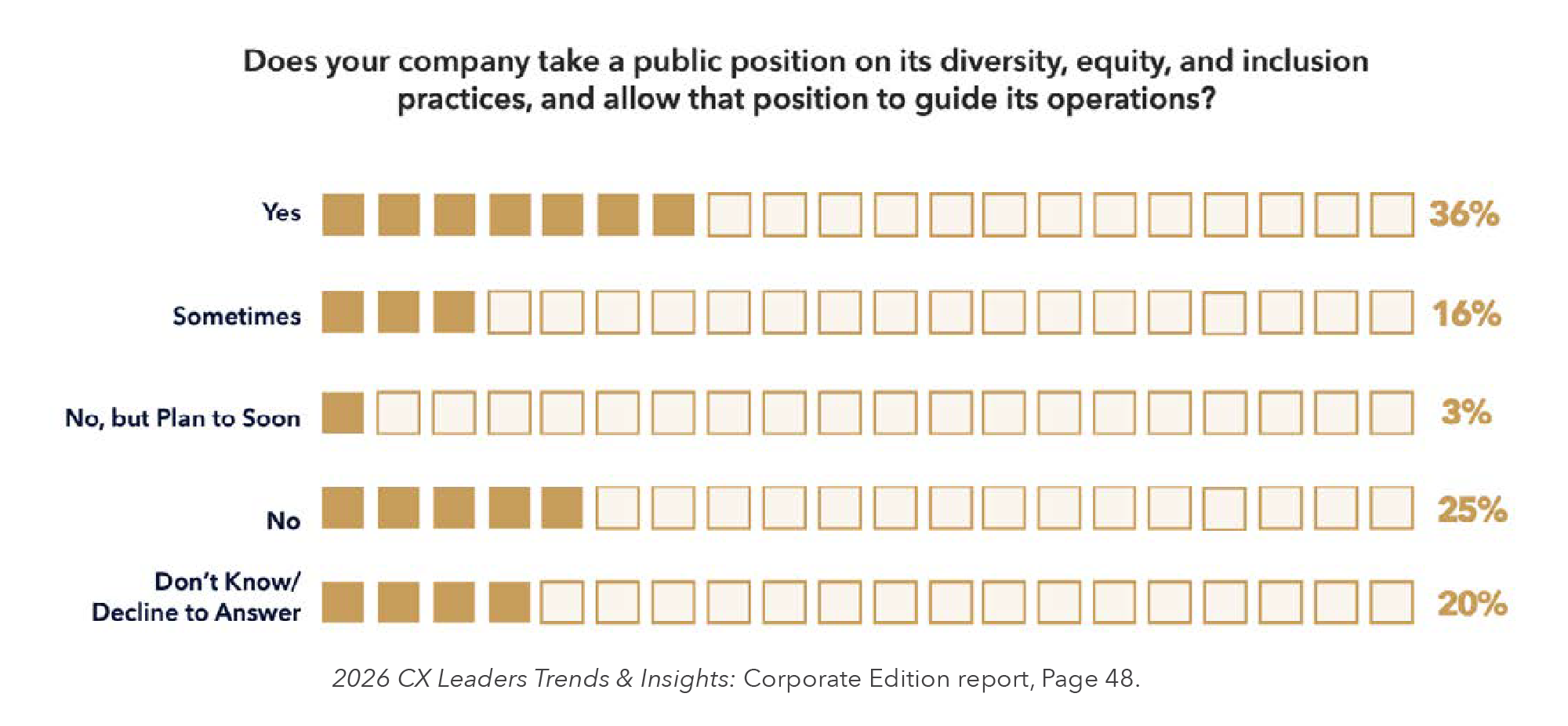
This article is not about politics; it is about performance. It is about what the research shows, what the market is demonstrating, and what CX leaders need to understand right now: DEI is not separate from the customer experience. For a growing number of consumers, it is the customer experience.
The Market Signal That Cannot Be Ignored
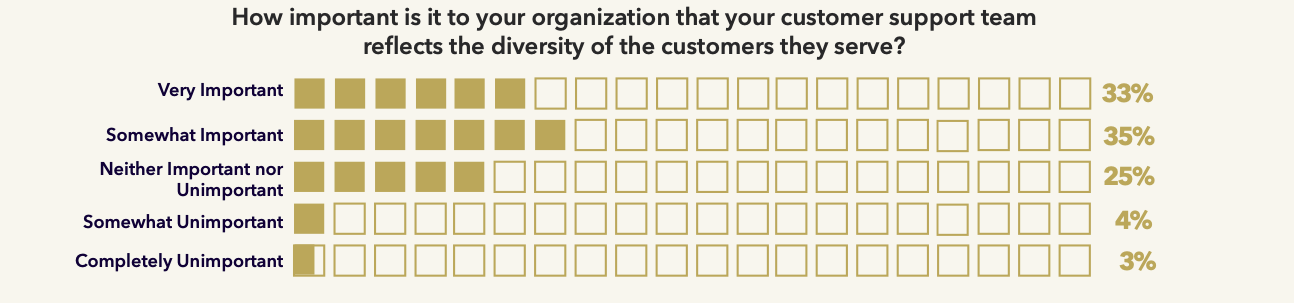
The consumers paying close attention to DEI commitments are not niche audiences. They represent a major share of current and future purchasing power, and they are making decisions accordingly.
Black buying power in the U.S. is now projected to top $2 trillion in 2026.2 Latino consumer purchasing power is even larger: the latest Latino Donor Collaborative report3 puts U.S. Latino purchasing power at $3.78 trillion, with Latino income reaching $2.83 trillion and growth continuing to outpace non-Latino consumers. The LGBTQIA+ community represents an estimated $1.4 trillion in U.S. purchasing power, with global spending power estimated at up to $4.7 trillion, according to GLAAD.4 And multicultural consumers continue to drive the market overall: Collage Group reports that more than 65% of U.S. expenditure growth is coming from these growth segments.
And those consumers are paying attention. One-third of consumers said they had already cut back or stopped buying from brands that rolled back DEI commitments. The response was even sharper among key growth audiences: 45% of Black consumers, 45% of Latino consumers, and 58% of LGBTQIA+ consumers said they had reduced or stopped spending with those brands.
The Edelman Trust Barometer adds important context. In its 2025 Brand Trust Special Report,5 Edelman found that 73% of people say their trust in a brand would increase if it authentically reflected today’s culture. Only 27% said their trust would increase when a brand ignores culture and focuses only on products. In other words, silence or retreat on inclusion is increasingly being read as a signal.
Edelman noted that trust is now equal to price and quality as a purchase consideration, particularly among Gen Z consumers, who are asking fundamental questions about sourcing, employee treatment, and brand values before committing their dollars. Separately, the data shows that 58% of consumers advocate for or buy from brands aligned with their values, and 63% say they purchase or advocate based on a brand’s stance on societal issues.
The Contact Center is Where Brand Values Get Tested
Corporate statements about inclusion mean little if the experience itself does not reflect them. If the person a customer reaches cannot understand their needs, if the self-service journey fails non-English speakers, or if digital channels create barriers for elderly or disabled customers, the brand’s values are being tested in real time.
Customer care is one of the most visible places where a brand’s values are either felt or not felt by customers. And many organizations appear to be overestimating how inclusive those experiences actually are.
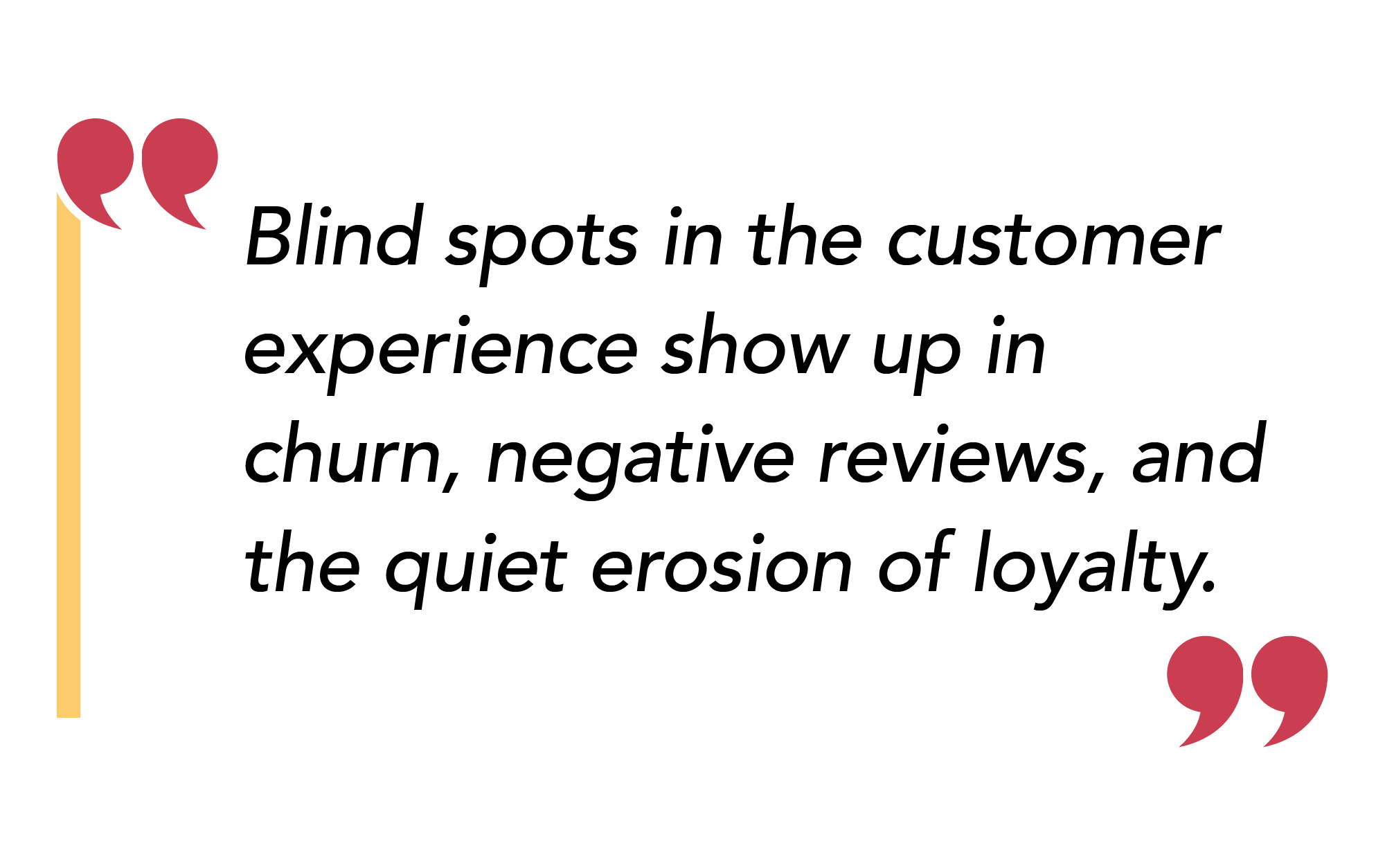
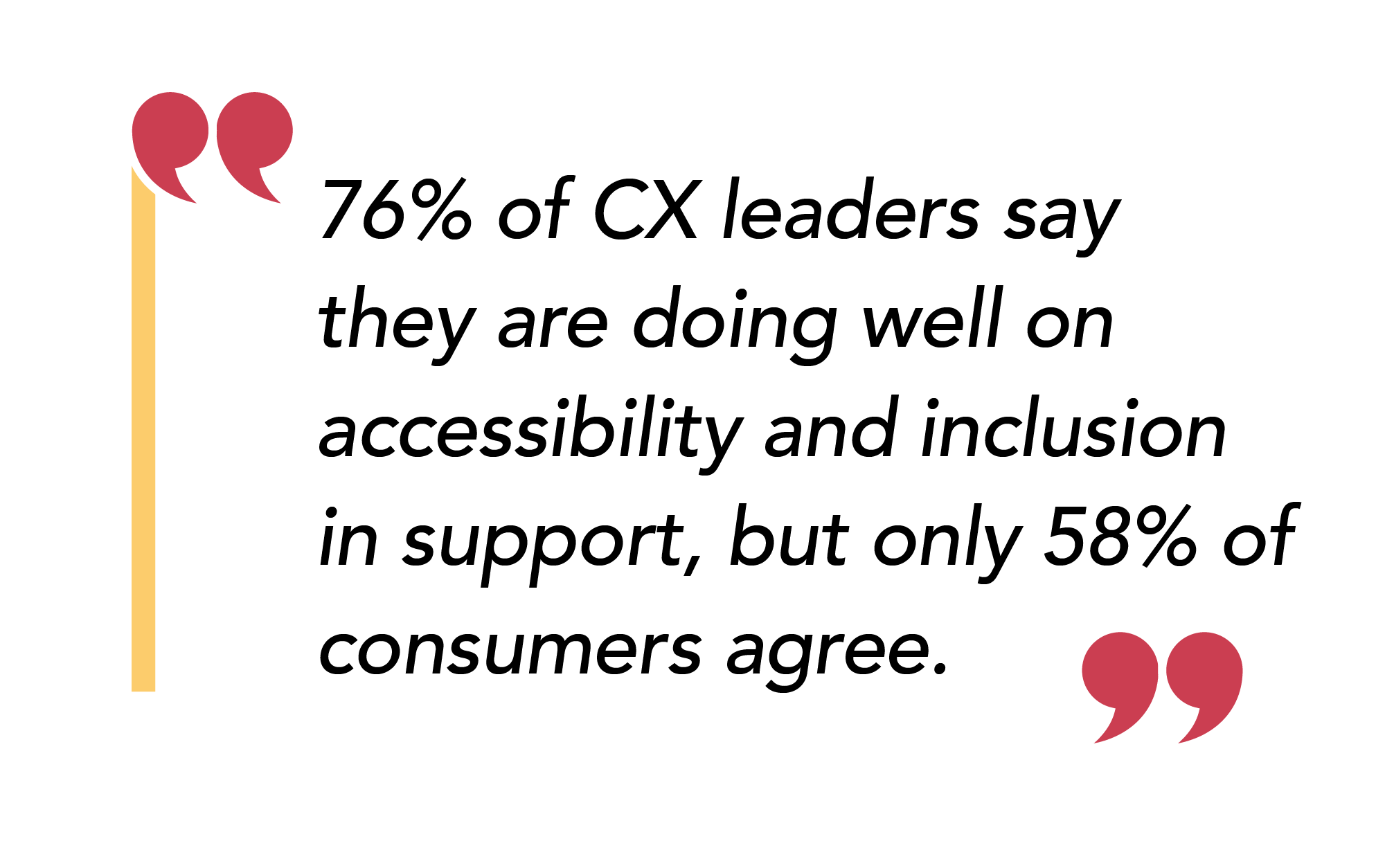
When asked how their company performs on accessibility and inclusion in customer support, including support for non-English speakers, disabled customers, and elderly populations, 76% of CX leaders in our survey indicated they were doing “Very Good” or “Somewhat Good.”6 When consumers were asked the same question about the brands they interact with, only 58% agreed. That 18-point perception gap is not small. It is a blind spot, and blind spots in CX show up in churn, negative reviews, and weakening loyalty over time.
The stakes are significant. More than a third of the U.S. population identifies as nonwhite or multiracial. When support experiences are built around a narrow view of the “typical” customer, a meaningful share of the customer base is left underserved. That matters even more in the current climate.
Edelman’s 2024 Trust Barometer Special Report on Brands and Politics7 found that 78% of consumers now consider recruiting diverse employees to be a political act. Whether companies intend it or not, consumers increasingly interpret visible shifts in diversity commitments as a statement about what the brand stands for.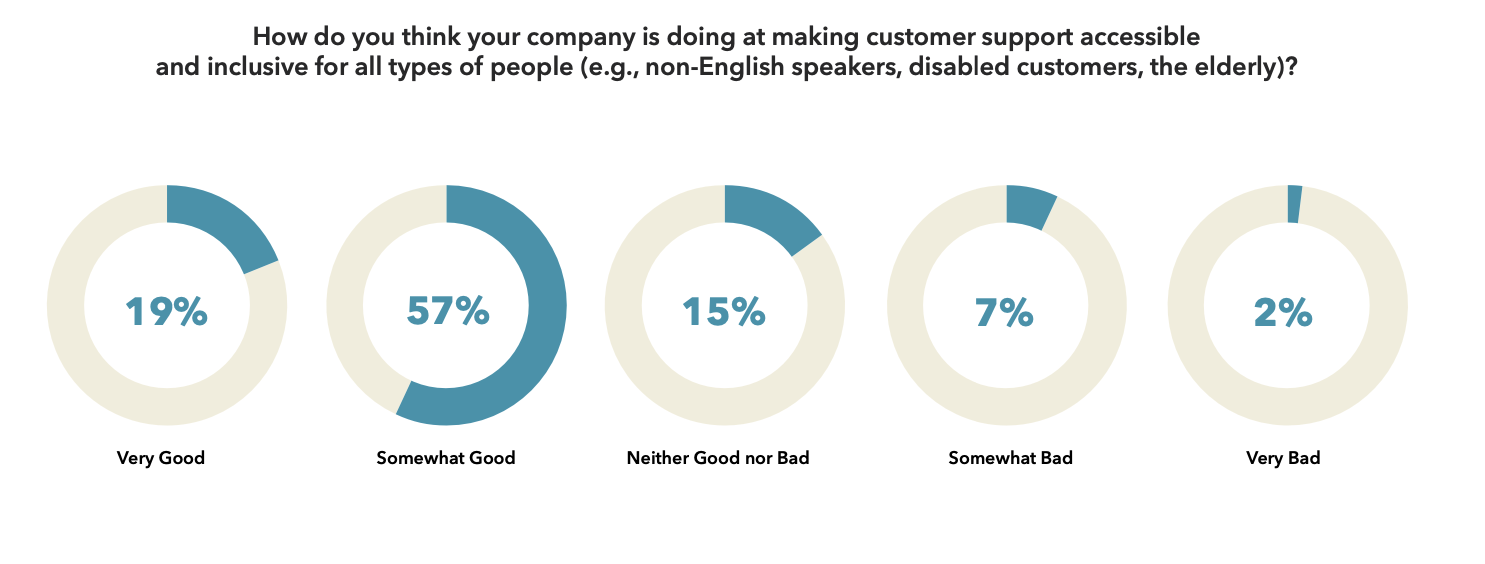
What the Retreat Is Costing
The political climate of 2024 and 2025 prompted a visible wave of DEI rollbacks. Across industries, public commitments made in the wake of 2020 were scaled back, reframed, or removed altogether.
The consequences have not gone unnoticed, and for some brands, they have been measurable. Walmart announced in late 2024 that it would phase out racial equity training, discontinue supplier diversity evaluation programs, and step back from its Center for Racial Equity, a $100 million philanthropic commitment the company had established just four years earlier.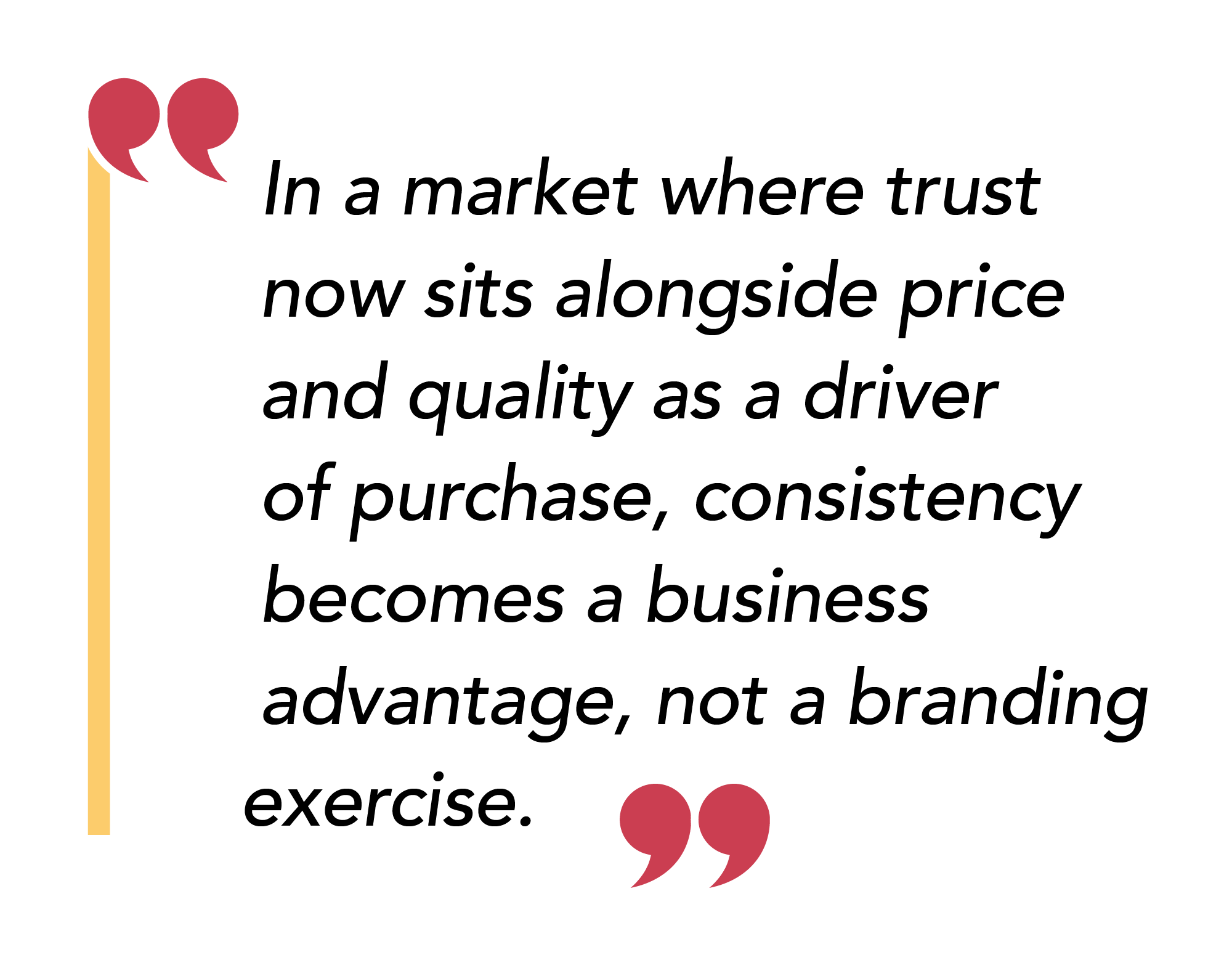
The backlash was swift: shareholders accused leadership of “bowing to bullying,” and advocacy organizations responded by redirecting consumer attention toward brands that had maintained their commitments.
Lowe’s disbanded its employee resource groups and withdrew from LGBTQIA+ sponsorships and the Human Rights Campaign’s Corporate Equality Index, moves that, combined with similar actions by other home improvement and retail brands, drew sustained criticism from both employees and consumers who had come to expect visible inclusion commitments from the companies they frequented. Tractor Supply, after social media pressure led it to eliminate DEI roles, retire diversity goals, and stop sponsoring Pride events in mid-2024, became a case study in how quickly a brand can shift its public positioning, and how quickly consumers notice.
Ford, which ended its relationship with the Human Rights Campaign and scaled back diversity goals in August 2024, faced similar scrutiny, particularly among employee groups who had championed those programs internally. The broader consumer response to these shifts has been well documented.
A 2025 analysis published in ScienceDirect8 examining DEI rollbacks and their implications for brand management found that retreating from inclusion commitments carries measurable risks to consumer trust, brand positioning, and corporate reputation. And that brands perceived asinconsistent between their stated values and their operational decisions face the steepest credibility challenges.
Chatmeter’s analysis provides a broader market signal: customer mentions of discrimination across retail brands increased by an average of 16.5% in 2024 compared to 2023,9 an emerging reputational threat that tracks almost precisely with the wave of public DEI retreats. As Helen Shelton, Global Chief Diversity Officer at Finn Partners,10 has stated directly: “You cannot simply create and place ads with diverse consumers on the one hand and then pull your DEI commitment to that consumer sector and not expect backlash.”
That said, the picture is not uniform. Some companies that have scaled back or reframed their DEI programs, including McDonald’s, which renamed its approach and refocused on inclusion language rather than explicit DEI goals, and IBM, which restructured its supplier diversity focus, have not reported significant consumer-facing consequences, at least not publicly. For organizations primarily serving B2B markets or operating in industries with different consumer expectations, the visibility and reputational dynamics can differ meaningfully from those facing consumer retail brands.
There is no single approach that applies across every organization as companies navigate the genuine legal, cultural, and operational complexity of this moment. What the research does consistently show is that consumers, particularly multicultural and LGBTQIA+ consumers who represent the fastest-growing segments of U.S. purchasing power, are watching brand behavior carefully and making decisions accordingly.
For CX leaders, the more useful question may be less about which position to take publicly and more about whether the customer experience being delivered today is genuinely equitable and inclusive for the full range of customers being served.
According to a Resume.org survey11 of 1,000 companies, only 5% have eliminated DEI programs, while 22% are increasing their DEI budgets. This suggests that many businesses continue to view DEI strategies as essential to long-term success, even as external pressures mount.
This is a conversation that is far from over, and how brands respond, in their operations, their hiring, and the experiences they deliver, will continue to shape customer trust and loyalty well into the years ahead.
 DEI as Competitive Architecture
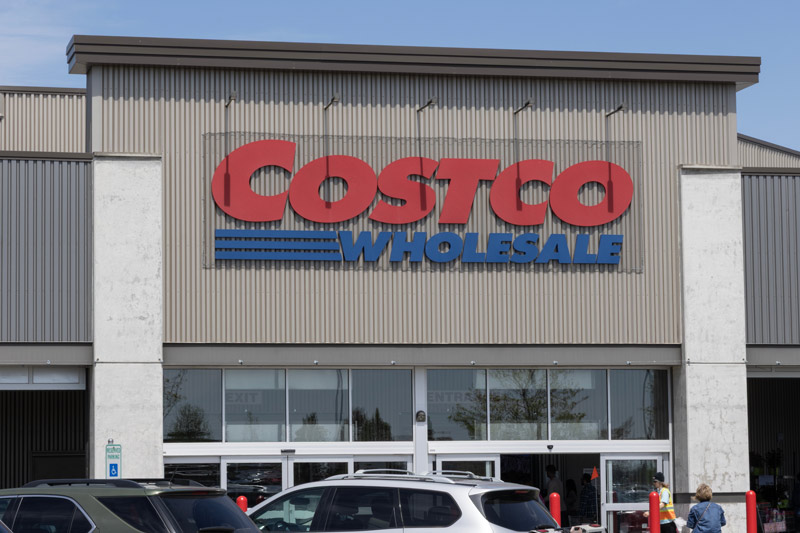
At a moment when many companies were pulling back, Costco took a more decisive stance. In early 2025, its board unanimously urged shareholders to reject an anti-DEI resolution. The proposal was defeated by a 98% vote,12 marking one of the clearest corporate signals in the broader DEI debate.
The operational outcomes are hard to ignore. Costco maintains an employee turnover rate of approximately 7%, far below the retail industry average of more than 60%, with more than half of employees staying longer than five years. That is the return on a workforce that feels valued, a customer base that feels understood, and a culture that does not spend energy managing internal disconnect.
Costco is not alone. Apple shareholders also rejected an anti-DEI proposal in 2025, while Microsoft continues to tie inclusion directly to building products that meet customer needs. In Microsoft’s October 2024 Diversity & Inclusion report,13 CEO Satya Nadella wrote, “By actively seeking diversity and embracing inclusion, we ensure our workforce represents the planet we serve, and that the products we build always meet our customers’ needs.”
For leaders, the signal is clear: in a volatile environment, consistency still carries value.
DEI Is a CX Performance Strategy
The business case for DEI is supported by years of research connecting diversity and inclusion to better performance, better innovation, and stronger decision-making.
McKinsey’s 2023 Diversity Matters Even More report14 found that companies in the top quartile for gender diversity on executive teams were 39% more likely to outperform financially than their bottom-quartile peers. Companies in the top quartile for ethnically diverse boards were 13% more likely to outperform. The report also found, for the first time, that leadership diversity is convincingly associated with greater social impact and more satisfied workforces, outcomes that connect directly to how customers are ultimately served.

Research from the Boston Consulting Group,15 based on a survey of more than 1,700 companies across eight countries, found that organizations with above-average diversity had 19% higher innovation revenues and 9% higher EBIT margins compared to their less diverse peers. The most diverse companies in the sample attributed 45% of their revenue to innovation versus just 26% for the least diverse, a gap that compounds meaningfully over time. The presence of enabling conditions for diversity, fair employment practices, open communication, and leadership support added up to 12.9 percentage points in innovation revenue alone. These findings represent a consistent pattern across geographies, industries, and company sizes.
A Harvard Business Review analysis16 has also reported that diverse teams make better decisions 87% of the time compared to more uniform groups. These findings matter in customer care because the work is becoming more human, not less.
In our own CX Leaders Trends & Insights research,17 “active listening,” “empathy and emotional IQ,” and “problem-solving” were the three most important agent soft skills for the second consecutive year. These are the capacities that diverse teams, assembled with intention across background, life experience, and cultural perspective, are better positioned to deliver. As our research notes, increased AI adoption is pushing a higher percentage of complex, emotionally sensitive engagements into assisted channels, making the distinctly human qualities of representative agent teams increasingly central to CX outcomes, brand trust, and customer loyalty.
There is also a direct link between employee experience and customer experience. Gallup research found that employee engagement reached an 11-year low in 2024,18 with many workers reporting they felt disconnected from their organization’s mission and unsupported by leadership. When agents are disengaged, customers feel it in the quality, consistency, and effectiveness of service.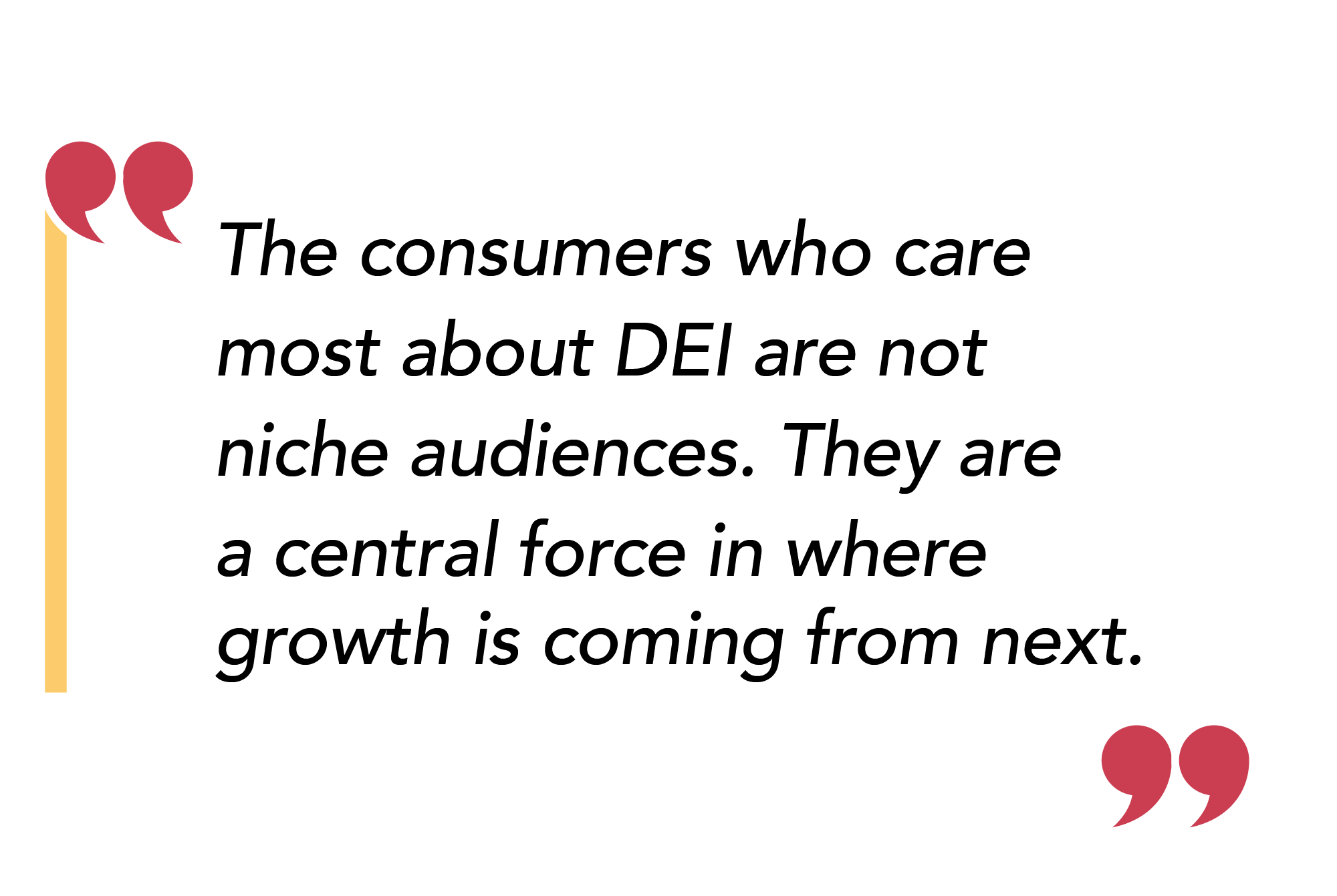
Inclusive workplaces help create the sense of belonging and psychological safety that keep employees engaged. And engaged employees show up differently for customers. Our research found that 92% of CX leaders agree that agent passion toward the brands they represent matters to consumers. Employees who feel valued are more likely to convey that authentically.
A Practical Roadmap for CX Leaders
For CX leaders, the path forward is about closing the measurable gaps between what organizations say they value and what customers actually experience.
Audit the real experience.
The 18-point gap between leader self-assessment and consumer perception suggests intention is not translating into outcome. Test your journeys through an inclusion lens: Where does the experience break down for non-English speakers? Where do elderly or disabled customers encounter friction? Where do certain groups experience lower resolution or higher abandonment?
Connect DEI to CX KPIs.
Segment resolution, abandonment, escalation, and satisfaction data where possible to identify experience gaps that aggregate reporting can hide. As AI handles more routine work, the most vulnerable customers are often the ones most at risk of being underserved by self-service and automation.
Ground your position in business rationale.
Costco offers a useful model. Its defense of inclusion was framed around what it delivers: stronger retention, better customer alignment, more innovation, and better business performance. That is a more durable argument than values language alone.
Build multicultural fluency into service design.
Invest in multilingual capabilities across human and AI channels. Ensure escalation paths do not punish customers who cannot easily navigate digital tools. Design for the full reality of your customer base, not the simplest version of it.
Measure honestly.
Our research shows that only one-third of organizations believe they are using Voice of Customer and QA data productively. Inclusion should be part of how that data is analyzed. Track who is being reached, who is not, and where the experience differs across segments. That is how inclusion becomes operational.
The Competitive Window is Open
This moment has created a rare opening. As some brands pull back, others are making something more visible to the market: what they stand for, who they are building for, and whether customers can trust them to show up with consistency when the environment gets more complicated.
The companies that will emerge strongest are not the ones issuing the loudest statements. They are the ones doing the steadier work of building inclusion into the customer experience itself through representative leadership, accessible design, thoughtful service, and decisions that reflect the people they serve.
In a market where trust now sits alongside price and quality as a driver of purchase, that kind of consistency becomes a business advantage.
The message for leaders is not that every company needs the same playbook. It is that customers, employees, and communities are paying close attention to whether a brand’s values still hold when conditions become more difficult. That is the real test.
And right now, the brands that meet it with honesty, substance, and follow-through have an opportunity to pull ahead in ways that may be difficult to replicate later.
The 68% of consumers in our research who say public DEI commitments matter are not waiting on the sidelines. They are already in the market, already making choices, and already deciding which brands feel worthy of their trust. The competitive window is open. The question is which companies will recognize it before it closes.
Article Links
-
- https://execsintheknow.com/knowledge-center/customer-experience-research/cx-leaders-trends-insights/cx-leaders-trends-insights-2026-corporate-edition/
- https://www.nielsen.com/insights/2026/black-influencer-creator-trends/
- https://latinodonorcollaborative.org/reports/the-2025-official-ldc-u-s-latino-gdp-report-part-one/
- https://glaad.org/releases/glaad-research-70-of-americans-say-lgbtq-pride-merchandise-has-positive-or-no-impact-on-purchasing-decisions
- https://www.edelman.com/trust/2025/trust-barometer/special-report-brands
- https://execsintheknow.com/knowledge-center/customer-experience-research/cx-leaders-trends-insights/cx-leaders-trends-insights-2026-corporate-edition/
- https://www.edelman.com/trust/2024/trust-barometer/special-report-brand
- https://www.sciencedirect.com/science/article/pii/S0007681325000370
- https://www.resume.org/research/1-in-8-companies-are-scaling-back-dei-commitments-in-2025-many-cite-political-climate/
- https://www.chatmeter.com/resource/press-release/retail-associates-reputation-ranking/
- https://www.provokemedia.com/latest/article/the-future-of-dei-how-companies-are-responding-to-political-pressure
- https://apnews.com/article/costco-shareholder-proposal-diversity-dei-0330f448741b35f2f788a36948ff3f95
- https://cdn-dynmedia-1.microsoft.com/is/content/microsoftcorp/microsoft/dni/documents/presentations/microsoftcorp_gdi_report_2024_final.pdf
- https://www.mckinsey.com/featured-insights/diversity-and-inclusion/diversity-matters-even-more-the-case-for-holistic-impact
- https://www.bcg.com/publications/2018/how-diverse-leadership-teams-boost-innovation
- https://hbr.org/2018/01/how-and-where-diversity-drives-financial-performance
- https://execsintheknow.com/knowledge-center/customer-experience-research/cx-leaders-trends-insights/cx-leaders-trends-insights-2026-corporate-edition/
- https://www.gallup.com/workplace/643286/engagement-hits-11-year-low.aspx