The era of the massive conference (thousands of badge-wearers shuffling between keynotes in a convention center) isn’t over. But a more intentional format has been steadily gaining ground: the micro event. And for business partners, this is a big opportunity.
According to Swoogo’s event data, in-person micro events grew 16% in 2024, and nearly half (45%) of event professionals say their companies are committed to hosting micro events, with enterprise companies 22% more likely to invest in them.
Bizzabo’s platform data shows 34% year-over-year growth in small in-person gatherings with fewer than 150 attendees in Q1 2025.
What Exactly is a Micro Event?
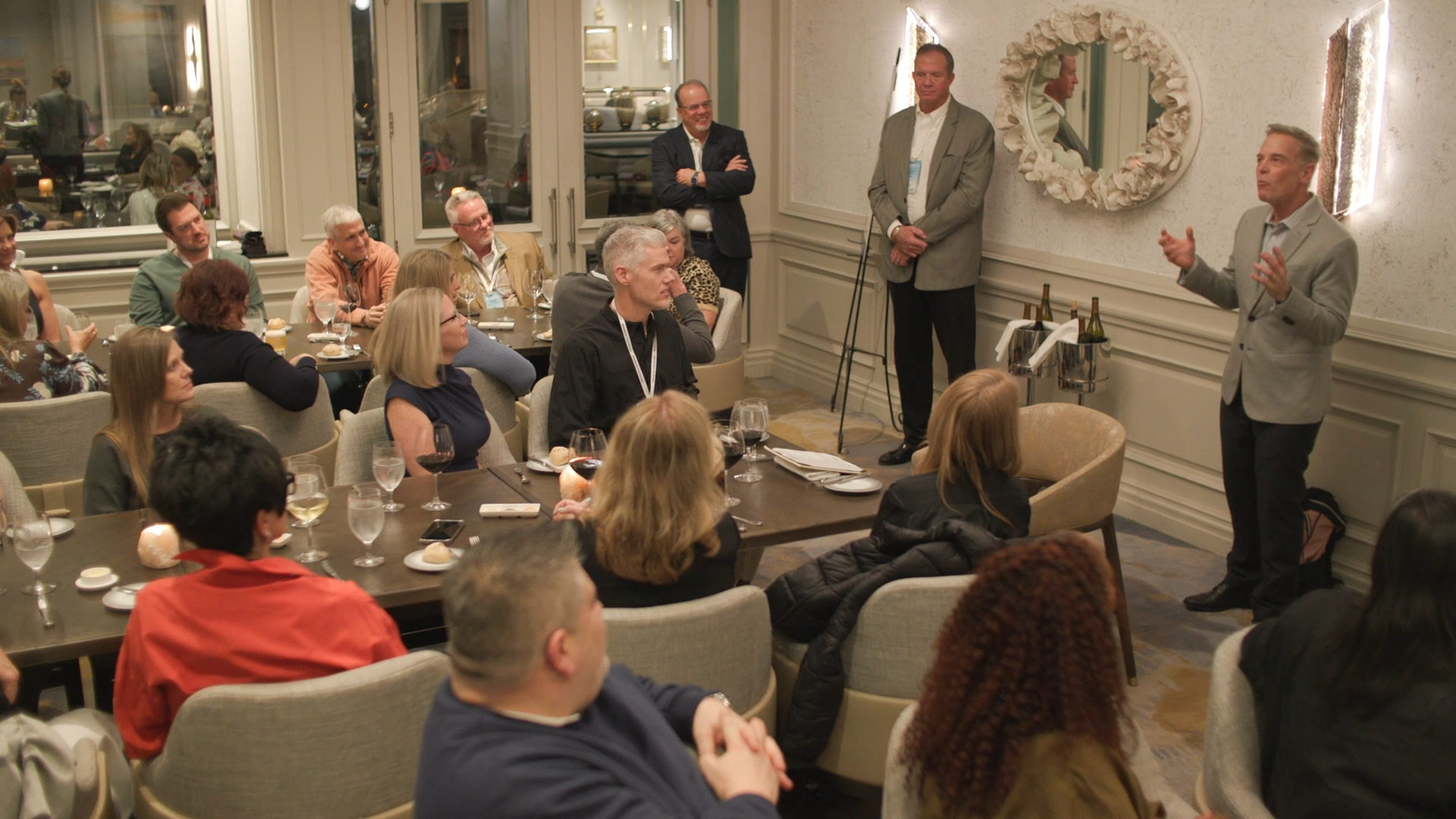
Micro events are focused gatherings (typically between 20 and 150 attendees) organized around a specific theme, industry topic, or community. They take many forms: intimate roundtables, expert-led virtual workshops or webinars, curated dinner experiences, conferences/summits, city-specific pop-ups, and peer cohort sessions. What they share is purpose. Every person in the room (or on the call) is there for the same reason, which changes the entire dynamic of the experience.
Unlike large-scale conferences where a sponsor’s booth competes with hundreds of others for foot traffic, micro events create environments where every touchpoint matters, and every sponsor interaction gets noticed.
At a 1,000-person conference, you’re noise. At a 30-person roundtable or 200-person summit, you’re a conversation.
Why Audiences Are Voting with Their Calendars
Attendee expectations have shifted dramatically. People are more selective about where they spend their time and budgets, and they’re demanding relevance in return. Generic content delivered to a generic crowd no longer justifies a day out of the office or an afternoon away from a packed remote schedule. Micro events solve this by design. They attract CX leaders who have specifically opted into a niche conversation, meaning the room is already pre-qualified. The signal-to-noise ratio is simply higher.
Virtual micro events have further amplified this trend, and they work best as a complement to in-person gatherings, not a replacement. A senior decision-maker who couldn’t attend a flagship conference can still join an invite-only virtual roundtable, keeping the conversation going between live events. Organizers can fill a curated 40-person session with geographically diverse, seniority-rich attendees throughout the year, deepening the community that forms at in-person summits and extending its impact well beyond a single event date.
The Partner Opportunity
For business partners evaluating where to place their sponsorship dollars, micro events offer something large-scale conferences rarely can: depth over breadth.
Here’s what that looks like in practice.
Higher-quality conversations. When an event draws vetted professionals, every sponsor interaction is with someone who belongs in your pipeline. There’s no badge-scanning lottery. The intimacy of the format makes cold outreach feel warm, and follow-up conversations feel earned rather than awkward.
Brand recall that lasts. Attendees remember who sponsored the dinner where they had a breakthrough conversation. They remember the company that hosted the workshop that solved their most pressing problem. In a crowded B2B landscape where brand differentiation is increasingly difficult, that kind of memory is priceless.
Content leverage. Micro events produce rich, reusable content: session recordings, curated highlights, community takeaways, and expert Q&A threads. As a sponsor, your brand appears inside content that the audience actually wants to consume and share, long after the event ends.
Faster feedback loops. Smaller gatherings make it easier to pilot messaging, test positioning, and gather candid audience input in real time. Sponsors who show up at micro events often get market intelligence that their competitors won’t see until next quarter’s research report.
What This Means for Your Partnership Strategy
The most forward-thinking partners aren’t choosing between large events and micro events; they’re building a portfolio of events layered throughout the year to keep the conversation going in the spaces where decisions are made.
If you’re evaluating your partnership strategy, the question isn’t whether micro events are worth it. The question is which ones align with the communities where your best customers already gather. Start there, show up consistently, and watch the relationships grow.
We’re here to help you identify the right micro event opportunities. Connect with Scott Moberly, Vice President, Partner Advocacy, at [email protected] or explore our 2026 Media Kits to find your next best room to be in.