
in this issue

Delivering a Top-Notch Customer Experience For Developers
By: Execs In The Know
An interview with Sue Morris, Vice President, Customer Success at GitHub


SUE MORRIS
Vice President, Customer Success
For more than a decade, Sue Morris has been on the technology scene in a customer support role with experience spanning both sides of the Atlantic. Sue, who has sat on the Execs In The Know Corporate Advisory Board since 2018, is a passionate advocate for team culture and the cultivation of customer excellence. We had a chance to get to know Sue and Github a little better through a series of questions in late September 2021.
EXECS IN THE KNOW (EITK): Please share a little bit about your background, how you came to be at GitHub, and describe the day-to-day focus of your current role.
Sue Morris: After spending most of my early career building large sales operations, predominantly in the Telco space, I moved to the support org during a 12-year stint at Vodafone. I joined Vodafone at the end of the massive surge of cell phone adoption. It was a hugely competitive industry as companies scrambled to grab market share. Being able to differentiate the customer experience via our support interactions was a big win for the company.
Energized for the customer experience challenge and the opportunity to create fans with every service interaction, around 10 years ago I pivoted focus to run Customer Service at Vodafone, and for the last seven years I have been part of the Microsoft family. I spent five years heading up the Consumer space (Xbox, Office 365, Surface, and Windows) and for the last two years I have been at GitHub. What is GitHub? We are the world’s largest platform for developer collaboration, reaching more than 65 million developers across the globe.
EITK: How would you describe GitHub’s culture, values, and overall mission when it comes to
serving users?
Sue Morris: GitHub was created by developers for developers, and the passion to deliver new products to empower developers around the world runs deep with one of our core tenants being ‘ship to learn.’ I love that mentality and the creativity it brings. Every invention, technology, or even recent COVID vaccines developed today, are built using code, and the open-source world is often where that happens. Our mission is to empower developers of all ages, backgrounds, and locations to be able to do that easily in an interactive, sociable, and safe way. GitHub is changing the world with code.
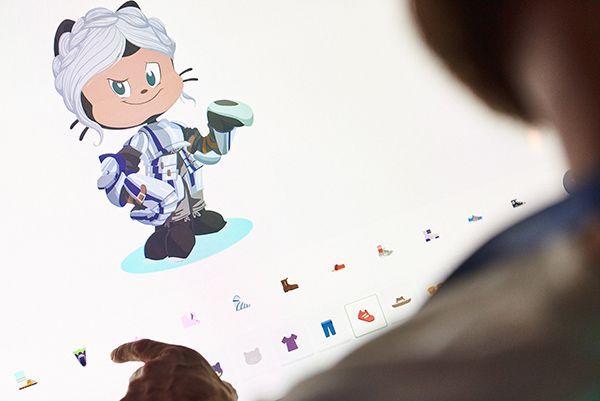
EITK: Who is the typical GitHub user you and your team are serving, what does a common customer success engagement look like, and on which channels are you and your team serving customers?
Sue Morris: More and more, we’re seeing that GitHub is becoming not only the home for developers, but a platform where people in many different roles come to learn and engage with the community. In the past year, our community has grown to include more data analysts, scientists, students, teachers, and designers, which suggests that collaboration on the platform will increasingly include more than just code. Developers like to solve their own problems. We’re working in the near-term to consolidate GitHub digital and assisted support through a single-entry point. Some examples include personalized automation to solve billing, login, signup, enterprise license, and Single Sign-On issues, to name a few.
EITK: Employee engagement has been a constant challenge since the shift to work-from-home (WFH). What have been the key enablers for making sure your team is connected to each other and the brand, and providing GitHub users with the experience they expect?
Sue Morris: GitHub has always been a digital-first company even before the pandemic with more than 70% of our workforce working remotely outside of San Francisco. We understand the benefits in embracing remote work. We’ve also found the key to success is ensuring conversations and decisions are documented so that everyone can follow along or join in, irrespective of their physical location.
Our challenge, like many other companies, is to help everyone feel connected to the company and each other, and for that we have a clear mission and goals, clarity around roles, and plenty of time to socialize and celebrate successes.
EITK: The past year has been filled with plenty of challenges and lots of wins, both big and small. When you look back over the past 12 months, which success has meant the most to you?
Sue Morris: We have invested heavily in Customer Experience teams, tools and insights, launched new Customer Success teams, overhauled the Community forums and launched exciting new products like GitHub Copilot and Codespaces to further enable developers! But the area I am the most proud of is the way GitHub has supported our customers and employees through the pandemic.
We know our team can only offer an exceptional customer experience when they are supported to be their best. The health, safety, and well-being of Hubbers is our top priority and I am very proud of the way GitHub stepped up to look after our Hubbers in this tough time. We’ve expanded our home office stipend for all employees, provided ongoing communications on the workplace, along with our long-standing learning and development benefit. We’ve invested in social activities (remote!), days of learning, and continue to provide flexible schedules to those of us who need the time and space to juggle work and caring for loved ones.
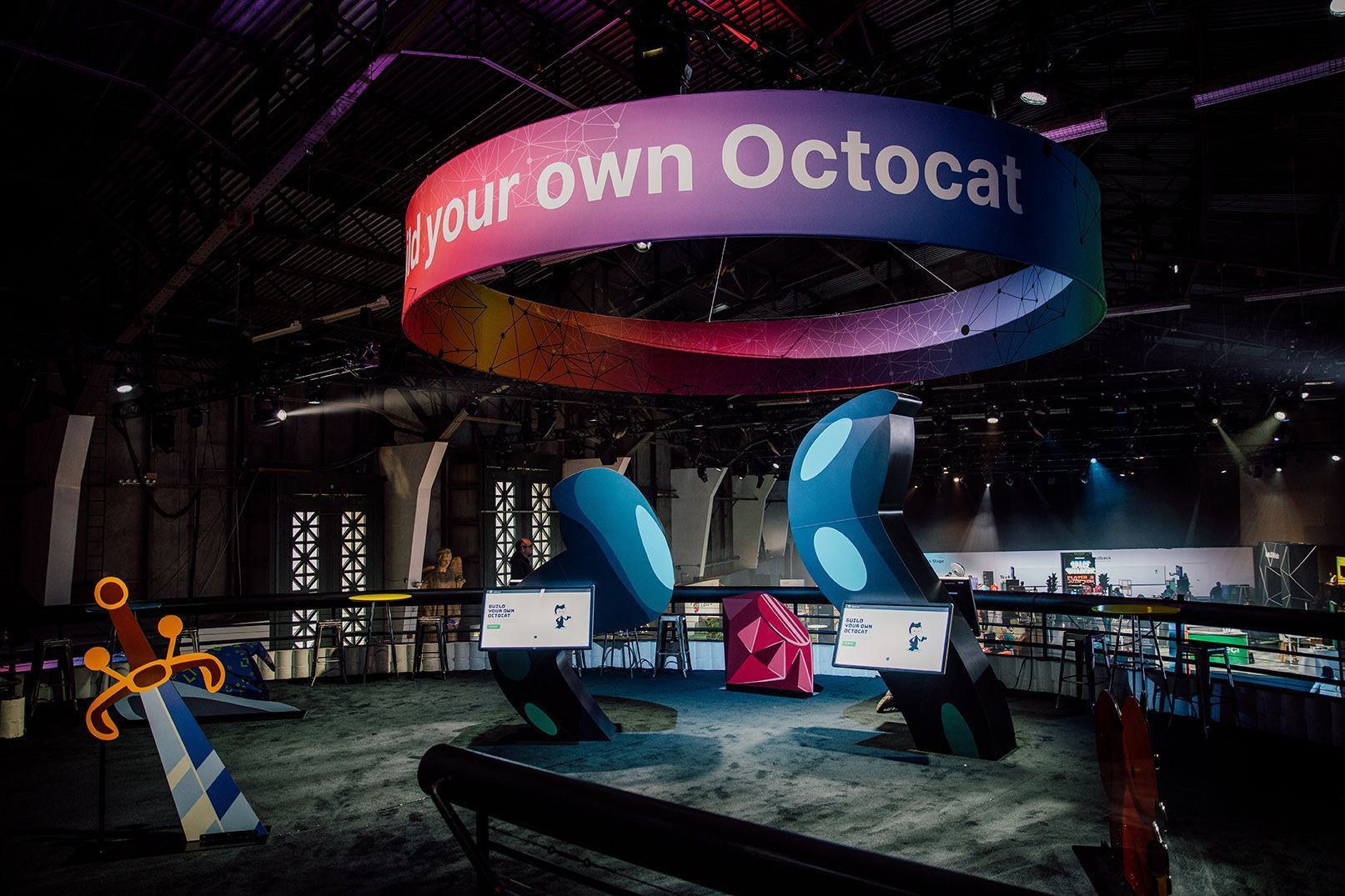
EITK: Which CX trend or technology are you most intrigued by heading into 2022, and what’s something every CX leaders should be tracking?
Sue Morris: From the technology standpoint, there is quite a lot of rapid innovation and experimentation going on to automate digital customer service. Omnichannel Customer Service has been an ongoing concern, but the pandemic has intensified the need to meet customers where they are and communicate in the channel of their preference.
That said, from a trend perspective, it has become more important than ever for leaders to stay close to customer service no matter how large the company becomes. Staying close to customers by spending focused time reviewing support tickets or customer interactions is the best source for new ideas and opportunities. Over the last year and a half, companies are realizing that being agile and accommodating of different situations is critical for survival and growth. We’ve added new automation tools, like our chatbot virtual assistant, to further enable support through various synchronous and asynchronous mediums and channels such as phone, chat, and community forums. Customers care not just about what they receive, but how they receive it.
Customers also pay attention to what a company does and says. The most perfect ecosystem falls apart when customers don’t understand or agree with your company values. It’s the reason that GitHub prioritizes transparency and engagement from our community. At the core, the CX landscape is recognizing, or re-recognizing, that the goal is to build a lasting relationship with our customers, and to do that the focus must be on achieving their desired outcomes using our service.
EITK: You have been an active member of the Execs In The Know community for quite a while, including a spot on the Corporate Advisory Board beginning in 2018. Can you share what your involvement has meant to you?
Sue Morris: That’s an easy one! Connecting to amazingly talented experts in our field from all different industries is simply better at Execs In The Know than any other forum with which I have been involved. I love getting to meet peers at the events and learning from them along with the speakers at the event.
During the pandemic, with so many of our business continuity plans being tested, it has been invaluable being able to learn from other companies and share ideas. So when meeting up hasn’t been possible, I have loved having access to the Know It All online community.

Execs In The Know partners with brands that are providing outstanding customer service (CX) experiences. The Brand Spotlight Series showcases innovations and solutions to CX challenges faced by today’s leading brands.
Thank you to Sue Morris and the entire team at GitHub for contributing to the Execs In The Know Brand Spotlight.
Interested in taking part in a future Brand Spotlight feature and sharing your story? Contact us at [email protected].