
in this issue
CX Journey Mapping: Unlocking Moments of Truth
Customer expectations have never been more complex. Today’s customers are navigating a winding road of touchpoints — from scrolling social media and reading online reviews to interacting with chatbots and showing up in-store. Each touch point is an opportunity to build loyalty — or break it.
by Execs In The Know
Customer expectations today are relentless. They’re not simply asking for better experiences; they’re demanding seamless, intuitive, human-centered interactions that surprise and delight at every turn.
In this environment, knowing your customers isn’t enough. You need to understand their journeys — every high, every low, every moment of truth where they decide whether to stay loyal or quietly disappear. Customer journey mapping is your compass for navigating those pivotal moments and, when done right, it doesn’t just identify problems — it transforms them into opportunities for growth.
Yet, journey mapping has an image problem. According to a recent Gartner study,1 83 percent of customer experience professionals report that their organizations have struggled to use customer journey maps to advance their CX improvement efforts.
Journey mapping is about unlocking actionable insights that allow you to design better processes, optimize technology investments and, most important, deliver the experiences your customers expect.
Customer Journey vs. Buyer Journey
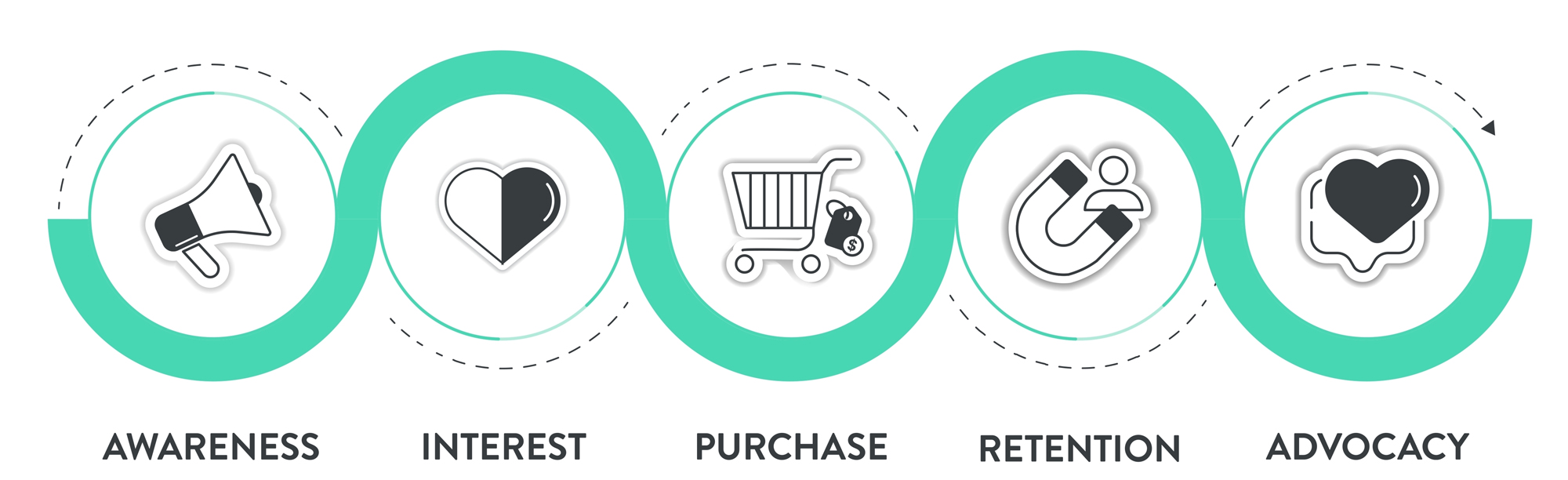
While the terms “customer journey” and “buyer journey” are often used interchangeably, they capture distinct phases of the consumer experience. The buyer journey refers specifically to an individual’s path to becoming a customer. It begins the moment they identify a problem or need and ends when they make a purchase decision.
The customer journey, on the other hand, encompasses the entire relationship a consumer has with a company, from pre-purchase exploration to post-purchase interactions. In essence, the customer journey includes the buyer journey, but extends far beyond, capturing every touch point and experience that builds — or erodes — long-term loyalty.
Why CX Journey Mapping Matters
Today’s customers are navigating a winding road of touchpoints—from scrolling social media and reading online reviews to interacting with chatbots, and showing up in-store. Each touchpoint is an opportunity to build loyalty or break it. And they expect more than ever: speed, personalization, and seamless transitions across every interaction.
Imagine this: You’ve invested heavily in a sleek, AI-powered chatbot to streamline customer service. On paper, it’s a game-changer. In reality, complaint volumes spike. Resolution times lag. Customers are frustrated. Why? Because somewhere along the journey, you overlooked a critical touch point where the human touch was irreplaceable.
Journey mapping provides clarity on how to avoid these costly missteps. It’s your diagnostic tool—a holistic view of what customers do, feel, and where their journey breaks down. It brings the customer’s perspective to the forefront, helping you move from assumptions to data-backed truths. It’s a way to ensure you’re not just solving the wrong problems faster, but solving the right ones better.
But, let’s go deeper: Why does journey mapping matter? Because it uncovers your moments of truth.
Identifying Moments of Truth
Jan Carlzon, former CEO of SAS Airlines, nailed it when he coined the term “moments of truth.” These brief but powerful interactions make or break a customer’s perception of your brand. These moments aren’t always grand. Sometimes, they’re as small as an empathetic customer service call, a one-click return process, or an unexpected thank you email. These are the instances that leave lasting impressions — positive or negative. Are you identifying and investing in those moments, or are they slipping through the cracks?
Identifying moments of truth requires both art and science. It’s about listening to your customers, analyzing data, and connecting the dots to pinpoint where emotions run high and decisions are made. Take retail, for example: A customer browsing an e-commerce site might encounter a seamless product recommendation that feels tailor-made for them — a positive moment of truth that drives loyalty and sales. On the flip side, if their checkout process is slow or glitchy, that same moment becomes a frustration that pushes them to abandon the cart.
In financial services, moments of truth often happen during critical life events: applying for a mortgage or navigating unexpected fees. A responsive, empathetic customer service call during these moments can make all the difference in retaining a customer for the long haul. In the healthcare industry, something as simple as clear, compassionate communication about test results can define a patient’s entire experience with a provider.
These examples highlight a key lesson: moments of truth aren’t universal. They vary across industries, customers, and journeys.
The Role of Journey Mapping in Modern CX
Journey mapping is more than a visualization exercise — it’s a strategic tool for unlocking meaningful change. Think of it as an x-ray for your customer’s experience, revealing where friction exists — whether it’s an unintuitive app, a clunky checkout process, or long wait times in your contact center. But journey mapping doesn’t just diagnose problems; it highlights opportunities to engineer joy and create those unforgettable peaks that elevate an average experience to something memorable.

Too often, businesses approach journey mapping as a problem-finding exercise, focused solely on fixing frustration. While addressing friction points is essential, the real magic happens when you go beyond repair to design delight. Are you focusing on the potholes or the peaks? Journey mapping uncovers both, empowering you to turn frustrations into satisfaction and moments of monotony into unexpected delight.
And here’s the key: journey maps should be living, breathing tools. They don’t belong in a folder or on a shelf; they should drive every strategic discussion across your organization, aligning teams and inspiring action. When done right, journey mapping doesn’t just eliminate frustration, it transforms the entire experience. It bridges the gap between operational inefficiencies and the human stories behind them — ensuring every investment you make improves the customer experience where it matters most.
What to Include in a Customer Journey Map
A great customer journey map2 is a story that reveals what customers are doing, feeling, and experiencing at every turn. To make it actionable, you can focus on these five essential elements:
1. Journey Stages
Break the journey into clear steps to uncover what your customers need and how they feel at each moment. While stages may differ by company, they often include awareness, consideration, decision, retention, and advocacy. Each stage is a new chapter in understanding your buyer’s mindset and goals.
2. Touchpoints
Touch points are where your customers interact with your brand — online, offline, and everywhere in between. These moments shape perceptions and provide opportunities to elevate the experience. Every touch point matters because it’s a chance to earn trust, reduce friction, or delight the customer.
Examples include:
- Advertisements
- Websites and social media
- Live chats and phone calls
- Emails
- In-store interactions
3. Organizational Departments
Mapping the journey also means knowing who’s responsible for what. Identify which teams own each stage and what they need to do to keep customers moving forward. For example, marketing might own the awareness stage, focusing on ads or posts to guide a customer toward discovery. Not every department touches every phase, but all should understand the customer’s experience across the board.
4. Opportunities and Pain Points
Pain points are moments that frustrate customers. Whether it’s a problem that drove them to your company or an issue they encounter while working with you these moments are gold. Why? They reveal opportunities for improvement and growth.
5. Customer Actions and Emotions
This is where the journey map gets real. What actions are customers taking, and how are they feeling at each stage? Excitement? Confusion? Frustration? These insights show what leads to churn, what resolves issues, and what drives success.
In the end, a customer journey map is a tool to connect the dots. It helps you see where customers stumble, where they soar, and where you can show up better to make every moment count.
 Best Practices
Most journey mapping efforts fail because they treat the map as the end result instead of the beginning of meaningful change.
You can focus on these best practices to level up your journey mapping efforts.
Start with Purpose
Before you map a single touch point, ask: What problem are we trying to solve? Is it reducing churn? Improving first-contact resolution? Streamlining onboarding? Starting with a clear goal ensures your map stays actionable.
Frame the Journey from the Customer’s Perspective
This sounds obvious, but it’s often overlooked. Journey maps aren’t process maps. They should not reflect your internal workflows, but capture the customer’s experience. Consider what your customers see, think, and feel at every journey stage.
Marry Qualitative and Quantitative Insights
Traditional journey mapping relies heavily on qualitative data like customer interviews and surveys. While valuable, these insights are subjective and often limited in scale. Integrating quantitative data — purchase history, website analytics, and call center metrics — gives you a more holistic view of the customer journey.
AI is a game-changer here. Large language models (LLMs) can analyze vast amounts of qualitative data — customer calls, reviews, and emails — to uncover emotional patterns and hidden pain points. Combine this with your quantitative data, and you have a robust foundation for action.
Identify Connections Across Journeys
Customer journeys rarely exist in isolation. Your customer’s path might start with an Instagram ad, move to a website, involve an email exchange, and culminate in a phone call. Each interaction is a thread in a larger tapestry. Connecting journeys across channels creates a journey atlas that reveals opportunities for improvement and innovation.
Get Stakeholder Buy-In
Your CX team can’t fix the journey alone. Fundamental transformation requires buy-in across marketing, sales, IT, and frontline teams. Build alignment by sharing real customer stories — nothing sparks action like hearing directly from frustrated or delighted customers.
 Investing in the Right Technologies
Investing in CX technology can feel like shooting in the dark for many organizations. With so many tools on the market — AI chatbots, CRM systems, journey orchestration platforms — it’s easy to get caught up in the hype. But, technology without strategy is a recipe for wasted resources and underwhelming results.
Journey mapping brings focus to your technology investments. Identifying your moments of truth shows you where technology can have the greatest impact — whether automating repetitive tasks, improving personalization, or speeding up response times.
For example, AI-powered tools can enhance the customer journey by streamlining touch points where speed and efficiency are critical. Think of an AI-driven chatbot that resolves basic customer inquiries in seconds, freeing human agents to focus on high-emotion, complex moments where empathy matters most. According to Deloitte3 brands that can effectively integrate AI into their customer journey strategies may see increased revenue growth by providing more personalized and timely customer responses. AI is helping brands review, understand, and translate human behavior and insights more easily than ever.
The beauty of journey mapping is its ability to link technology to ROI. Every investment becomes tied to a business outcome — reducing churn, increasing customer lifetime value, or improving operational efficiency. Focusing on the moments of truth allows you to prioritize the tools and processes that drive real, measurable results.
If a technology investment doesn’t enhance your moments of truth, is it worth pursuing?
 How Leading Brands Are Mapping Moments
Retail giants like Walmart4 are leading the way in creating seamless omnichannel experiences by leveraging journey mapping to eliminate friction points and reimagine customer interactions. For instance, Walmart’s focus on last-mile delivery and curbside pickup highlights their commitment to streamlining complex customer journeys. From autonomous deliveries via their GoLocal program to app-first experiences like Scan & Ship, Walmart continually maps and optimizes customer touchpoints to meet evolving expectations. These initiatives aren’t just about convenience—they’re about understanding and adapting to the emotional needs of modern customers who demand speed, ease, and flexibility at every step.
T-Mobile and OpenAI are rewriting the playbook for customer experience with their groundbreaking partnership to launch IntentCX,5 the first intent-driven AI- decisioning platform. Set to debut in 2025, IntentCX goes far beyond traditional next- best-action solutions, using billions of real-time customer data points to understand intent, anticipate needs, and take proactive actions. Leveraging T-Mobile’s award-winning Team of Experts approach and OpenAI’s cutting-edge AI models, IntentCX will deliver hyper- personalized service, meaningful engagement, and real-time decision-making that directly connects to T-Mobile’s systems.
This isn’t about chatbots — it’s about revolutionizing the customer journey by understanding each customer’s unique experience and turning insights into tangible solutions. As T-Mobile CEO Mike Sievert puts it, “Our customers leave millions of clues about how they want to be treated through their real experiences and interactions, and now we’ll use that deep data to supercharge our Care team as they work to perfect customer journeys.”
The question for C-suite leaders is: How can AI enhance human insights rather than replace them? The answer lies in balance. Use AI to automate the mundane and extract more profound insights, but always remember the human connections that build loyalty and trust. Customers don’t remember transactions; they remember how you made them feel.
Beyond the Map
Journey mapping is all about driving measurable outcomes. Whether reducing churn, increasing upsells, or improving operational efficiency, every action should tie back to your business goals.

Here’s a simple framework to keep your journey maps actionable:
- Audit your existing maps: Are they actionable or just visuals?
- Prioritize moments of truth: Focus resources where they’ll have the greatest impact.
- Measure and iterate: CX is a moving target. Keep refining as customer expectations evolve
Journey mapping is more than a tool — it’s a vehicle for transformation. When done well, it aligns your teams, eliminates silos, and empowers you to design experiences that truly resonate. It’s how you turn moments of truth into moments of triumph and creating moments your customers will never forget.
Article Links:
1. https://www.gartner.com/en/newsroom/press- releases/gartner-says-most-customer-experience- programs-are-not-deliverin
2. https://business.adobe.com/blog/how-to/create- customer-journey-maps
3. https://www2.deloitte.com/us/en/insights/topics/ marketing-and-sales-operations/global-marketing- trends/2022/end-to-end-customer-experience-ai.html
4. https://tech.walmart.com/content/walmart-global- tech/en_us/blog/post/how-is-walmart-amplifying- shop-tech-for-its-customers.html
5. https://tech.walmart.com/content/walmart-global- tech/en_us/blog/post/how-is-walmart-amplifying- shop-tech-for-its-customers.html