

BRAND SPOTLIGHT
Faster or More Perceptive? Rethinking AI in the Luxury Contact Center
A century-old tradition of anticipatory service meets a new generation of conversation intelligence.
by Execs In The Know

Tracy Sedlak
Vice President, Global Sales Operations & Performance
The Ritz-Carlton Yacht Collection
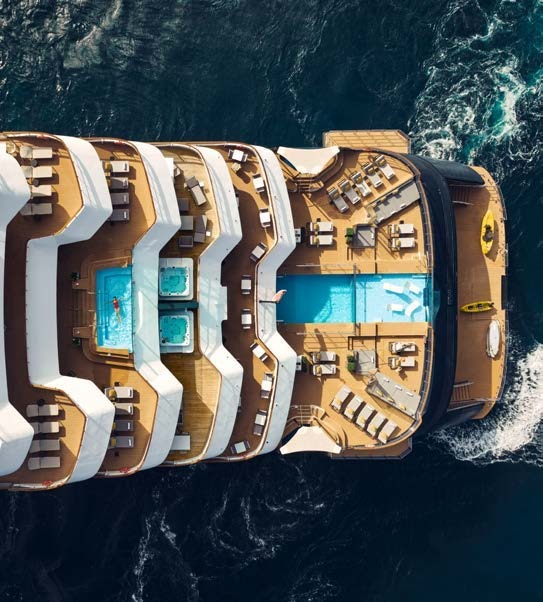
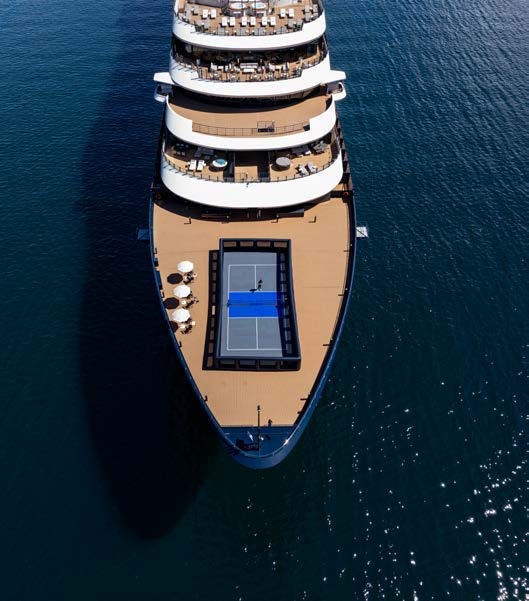
In luxury travel, the experience starts long before a guest steps aboard. It begins with a conversation, often about a honeymoon postponed for a decade, a milestone birthday, a retirement, or a long-awaited fresh start. The Ritz-Carlton Yacht Collection, which brings the service heritage of The Ritz-Carlton to a fleet of three superyachts (Evrima, Ilma, and Luminara) with nearly as many crew as guests, has built its reputation on anticipating needs before guests voice them. As more of the contact center industry turns to AI for speed and cost savings, the brand chose a different path: using AI to help its advisors understand not just what a guest is asking for, but what is driving the ask.
In this Brand Spotlight, Tracy Sedlak, Vice President, Global Sales Operations & Performance at The Ritz-Carlton Yacht Collection, shares how the brand built its Customer Intelligence Center (CIC), a tool that listens to guest conversations at a scale no person can and hands those patterns to the people who decide what to do with them. She explains why the brand set out to be guest-first rather than efficiency-first, how guest personas shape every interaction, and why she believes the real question for CX leaders is whether AI makes their people faster or more perceptive.
Execs In The Know (EITK): Anticipatory service is part of The Ritz-Carlton’s DNA. Where does that tradition come from, and what does it mean at The Ritz-Carlton Yacht Collection today?
Tracy: Anticipatory service for The Ritz-Carlton began with César Ritz when he opened the iconic Hôtel Ritz Paris in 1898. He introduced conveniences that were truly revolutionary at the time: en suite bathrooms in every room, electricity and telephones wired directly to the rooms, and even closet lights that turned on when the door opened. He was meeting needs guests hadn’t yet thought to ask for.
At The Ritz-Carlton Yacht Collection, anticipatory service means recognizing and fulfilling our guests’ unexpressed or hidden needs before they ask. That principle hasn’t changed. What has changed are the tools we can use to help our ladies & gentlemen deliver it.
EITK: Most AI conversations in the contact center focus on automation, speed, and cost. Why did your team take a different approach?
Tracy: We have all sat through countless discussions about AI where the only real focus was automation, efficiency, speed, and replacing agents. Those are the words most associated with AI in contact centers. They are defensible goals, but none of them is what a brand built on personal, genuine, human connection needed.
It would have been easy to build a tool that shaves seconds off handle time and call it a win. Instead, we asked a more difficult question: what would it take for every advisor, on every call, to understand not just what a guest is asking for, but what is driving the ask? That question led to the evolution of CIC. Our approach is guest-first, not efficiency-first.
EITK: What is CIC, and just as importantly, what isn’t it?
Tracy: CIC is AI that works for our ladies & gentlemen, not instead of them. It doesn’t talk to guests, it isn’t a scorecard; it’s a coaching tool; and it doesn’t make decisions. It hands the resulting patterns to a human who decides what to do with them.
Being clear about those boundaries matters. Anticipatory service is a human act. AI can’t make the choice, but it can help our ladies & gentlemen notice the details.
EITK: How did the CIC evolve from its original purpose into what it is today?
Tracy: We originally built the CIC to listen at scale, analyzing our guest calls and surfacing insights, or “hot topics,” as we call them. We built outputs for operational leaders and executives, and we could query it at any time for insights.
Then we took it one step further. We wanted to learn more about our guests at a deeper, more emotional, personal level, and how our advisors could benefit from the tool.
EITK: Luxury travelers are far from a single audience. How do you think about who your guests are, and how does that shape the way you serve them?
Tracy: Over the years, we have used guest insights to develop four primary personas, and we use them to help our advisors connect with guests effectively. Each persona needs something different from us to build trust. CIC also helps us notice when guest personas, expectations, or inquiries shift.
-
The Returning Guest already trusts the brand. They want recognition and consistency, not to be sold to again.
-
The Luxury Upgrader is comparing us to what they already know. They are confident and analytical and need proof of the upgrade.
-
The Experience-Led Traveler is moved by atmosphere and story, not spec sheets or side-by-side comparisons.
-
The Informed Evaluator is cautious and methodical, and needs clarity, documentation, and patience before committing.
Understanding which guest we are speaking with helps us meet their individual needs and earn the privilege of accompanying them on their voyage.
It would have been easy to build a tool that shaves seconds off handle time and call it a win. We asked a more difficult question instead.
EITK: Customer assurance is a growing focus for CX leaders. What does it mean for your guests?
Tracy: Customer assurance is the confidence guests feel when they know they are understood, protected, respected, and genuinely cared for in every interaction. That is exactly what we want our guests to feel.
Part of our discovery process is asking about special occasions and uncovering the reasons behind a voyage. We hear about a 10-year delayed honeymoon that will double as a birthday celebration. We hear from a guest who recently lost her partner and wants to travel as he would have wanted her to, pursuing her passions. We hear about lifelong friends celebrating 60 years of friendship. These moments matter, and they deserve to be remembered.
Anticipatory service is a human act. AI can’t make the choice, but it can help our ladies & gentlemen notice the details.
EITK: How has the CIC changed the day-to-day experience for your advisors?
Tracy: Even the best advisor can sometimes miss capturing a detail. And once a conversation ends, the advisor either remembers, guesses, or starts over. Before the CIC, anticipation depended on how sharp an advisor was that day, how much time they had to prepare for calls, how much they remembered, and how well they documented previous interactions.
In analyzed calls where guests mentioned special occasions, advisors missed the opportunity in nearly 40% of the calls.
Now the system carries part of that load. An advisor’s attention goes where it is most valuable: the conversation itself, not reconstructing the context around it.
EITK: How are your leaders using these insights to coach and develop their teams?
Tracy: Our leaders can dig in by asking the CIC questions in plain language to understand what is happening on calls. Were opportunities missed? For example, they can ask whether, over the past 30 days, an advisor missed a guest’s mention of a celebration or special occasion on any calls. Is there a common theme in our calls that needs training support? Are there changes in our guests’ personas, expectations, or inquiries that we haven’t yet recognized?
That turns coaching into something specific and timely, grounded in what guests are actually telling us.
EITK: If you had to sum up your philosophy on AI in customer experience, what would it be?
Tracy: AI listens at a scale no person can. The advisor still decides what matters. That’s the whole idea.

EITK: For executives shaping their own AI strategies, what advice would you share?
Tracy: Technology alone does not create exceptional experiences. It never has.
So, I would ask every CX leader one question: Is your AI strategy built to make your people faster, or more perceptive? Those are not the same goal, and they do not lead to the same guest experience.
About The Ritz-Carlton Yacht Collection
The Ritz-Carlton Yacht Collection pairs the service heritage of The Ritz-Carlton with the casual luxury of a superyacht, an approach the brand calls “untethered travel.” Announced in 2017 and headquartered in Fort Lauderdale, Florida, the cruise line welcomed guests aboard its first yacht, Evrima, in October 2022. Its fleet now includes Evrima (149 suites), Ilma (224 suites, 2024), and Luminara (226 suites, 2025).
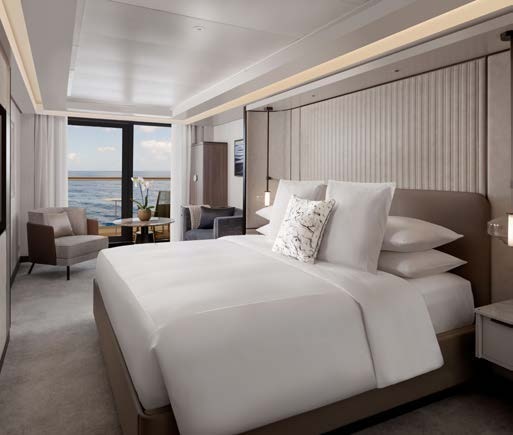
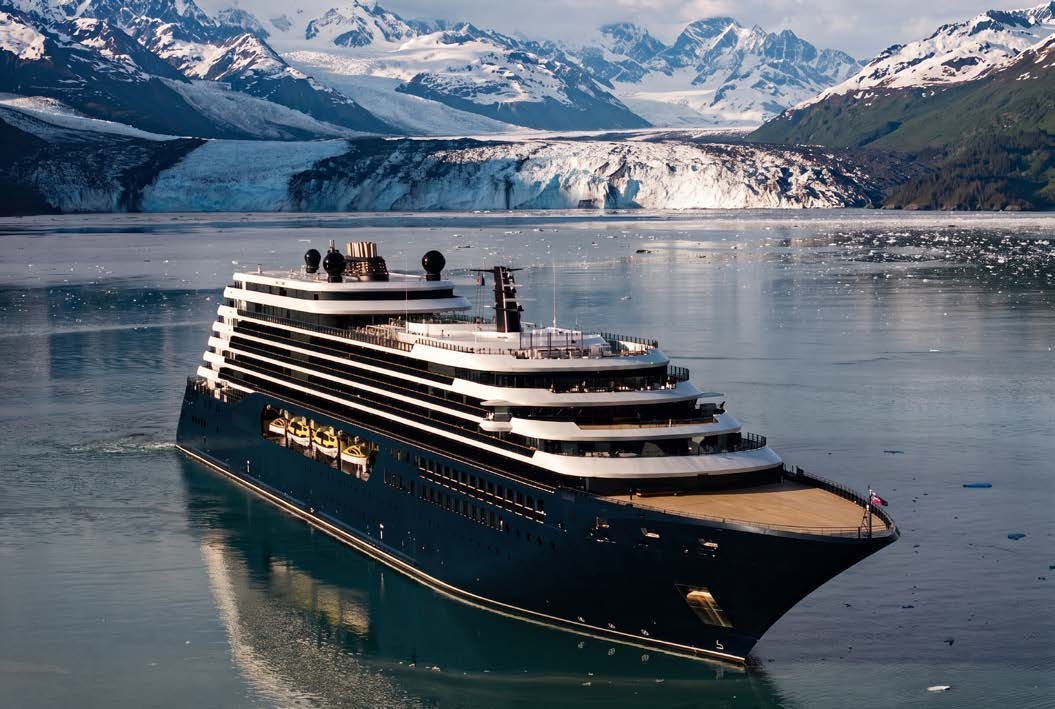
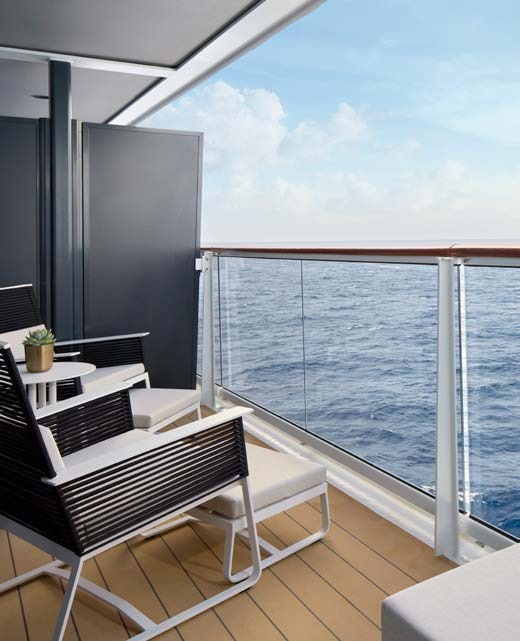
Every suite has a private terrace, and the yachts carry nearly as many staff as guests. Voyages span the Caribbean, the Mediterranean, Northern Europe, Alaska, and Asia, with a focus on smaller ports that larger ships often cannot reach. The Ritz-Carlton, a Marriott International company, provides hospitality services under a long-term agreement, and guests can earn and redeem Marriott Bonvoy points on voyages.


Execs In The Know partners with brands that provide outstanding customer service (CX) experiences. The Brand Spotlight Series showcases innovations and solutions to CX challenges faced by today’s leading brands.
Thank you to Tracy Sedlak and The Ritz-Carlton Yacht Collection team for contributing to this Execs In The Know Brand Spotlight.
Interested in taking part in a future Brand Spotlight feature and sharing your story? Visit our Get Involved page.